Description
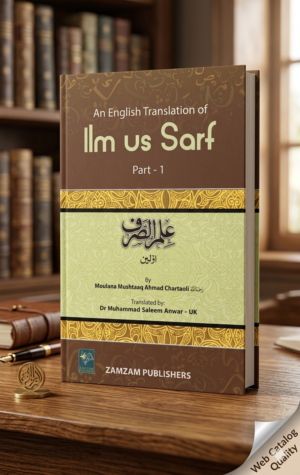
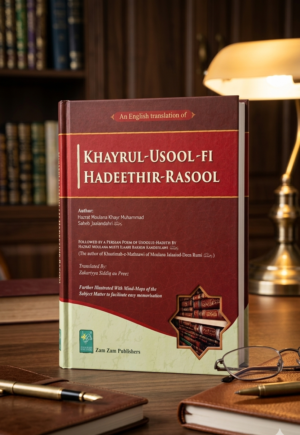
Introducing “Nahu Meer Jadeed” – Unlock the Secrets of Arabic Grammar!
Explore the depths of Arabic grammar and master the intricacies of language with “Nahu Meer Jadeed,” a exceptional Islamic book published by Zamzam Publishers. Designed for student’s, scholars, and language enthusiasts alike, this comprehensive guide offers an unparalleled journey into the world of Arabic grammar, specifically focusing o Nahu, the science of syntax and morphology.
Key Features:
- I-depth Coverage: “Nahu Meer Jadeed” delves into the fundamental principles and rules of Arabic grammar, providing a thorough understanding of how words are formed, structured, and faction within sentences.
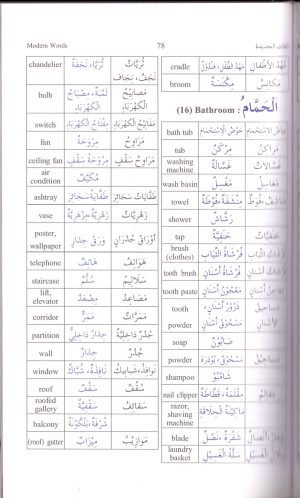
- Modern Approach: This book presets Nahu in a cotemporary mare, incorporating relevant examples and context to make the learning process engaging and practical. It bridges the gap between classical Arabic grammar and modern usage, ensuring its applicability in today’s world.
- Systematic Organization: With a carefully structured layout, “Nahu Meer Jadeed” takes learners on a step-by-step journey, starting from the basics and gradually progressing towards advanced concepts. Each chapter builds upon the previous one, allowing for a smooth and logical progression of knowledge.
- Extensive Examples: The book provides numerous examples and exercises to reinforce understanding and apply the learned concepts. These examples cover a wide rage of topics, from basic setae structures to complex grammatical constructs, enabling readers to grasp the uncase of Arabic grammar effortlessly.
- Practical Application: “Nahu Meer Jadeed” emphasizes the practical application of grammar rules in everyday communication. It equips learners with the tools to read, write, speak, and understand Arabic with precision and eloquence.
- Clarity and Simplicity: The author of this book has employed a clear and concise writing style, making complex grammar concepts accessible to learners of all levels. The explanations are supported by illustrations and diagrams, heading comprehension and making the learning experience enjoyable.
- Authored by Experts: “Nahu Meer Jadeed” is written by renewed scholars and experts in Arabic grammar, ensuring the accuracy and authenticity of the octet. It reflects years of research and teaching experience, making it a trusted resource in the field.
Whether you are a student aiming to excel in Arabic language studies, a aspiring Arabic linguist, or simply a individual seeking to deepen your understanding of the language, “Nahu Meer Jadeed” is a invaluable companion on your learning journey. Discover the beauty and intricacy of Arabic grammar with this exceptional publication from Zamzam Publishers.
<h3 id="1">What is a return and exchange policy?</h3>
A return and exchange policy is a set of rules a retailer creates to manage how customers return and exchange unwanted merchandise they’ve purchased. These policies tell customers what items can be returned and for what reasons, as well as the timeframe over which returns are accepted.
From<a href="https://www.apple.com/shop/help/returns_refund" target="_blank" rel="nofollow noopener noreferrer"> Apple</a>’s strict 14-day return policy, to<a href="https://www.ikea.com/us/en/customer-service/returns-claims/" target="_blank" rel="nofollow noopener noreferrer"> IKEA</a>'s generous 365-day turnaround, just about every major retailer offers return and refund policies to their customers—and your small business should, too.
<h3 id="2">Why have a return policy?</h3>
A fair return and exchange policy builds trust between a business and its customers. In fact, offering a clear and consistent way for customers to return a purchased item can increase conversion and repeat rates.
Giving customers a full refund on their orders can result in a loss of profitability, and knowing that someone disliked your product can be disheartening for business owners who strongly believe in the benefits of their products and services.
For these reasons, it can be tempting to avoid creating a comprehensive return and refund policy and leave the mounting problem unaddressed. As you’ll see, however, this would be a mistake.